



#2 Holy Wit – Sidecar Reflections
Sidecar: The Child Who Is Mighty God
(Behold Your King: Christ in the Old Testament – Isaiah 9:1–7)
By the second Sunday of Advent, the fellowship hall at First Community Church looked like a seasonal storage unit that had exploded.
Somewhere under the artificial garland and the half-inflated angel was a table. People said they remembered seeing it in August.
Howard Carlson stood in the middle of it all holding a tangled ball of white Christmas lights the size of a volleyball and the weight of a small appliance. He looked at it the way a man looks at the consequences of his own decisions.
“Just plug it in and see which ones work,” said Pastor Dan, who had the hopeful tone of someone whose spiritual gift was delegating.
Howard did as instructed. Half the lights came on. The other half blinked twice and gave up, like volunteers after a church business meeting.
Across the room, Marlene was up on a stepladder taping letters to the big purple banner. It was supposed to read: “For unto us a Child is born, unto us a Son is given.” So far it read, “For unto us a Child is bor,” because the “n” had gone missing and the “given” was still in the plastic bag with the thumbtacks and a melted peppermint.
“You’re missing your ‘n,’ Marlene,” Howard called.
“I know I’m missing my ‘n,’ Howard,” she said. “I’m praying the Lord will provide.”
“That’s how we got into this mess,” he muttered, as another strand of lights blinked and died.
In the sanctuary, the choir was rehearsing “For Unto Us a Child Is Born” at a speed that suggested they were trying to qualify for the Olympics. The tenors were coming in a beat late, the altos were inventing a new harmony, and the organist was gamely attempting to keep the entire production from becoming a medley.
On the wall behind them hung another banner: “Prince of Peace.” It was slightly crooked, so that peace looked like it was sliding downhill.
Pastor Dan walked through the doorway just as the choir hit “Wonderful! Counselor!” in a way that made you feel you were being chased by adjectives.
“Isn’t it glorious?” he said.
Howard, who had just shocked himself on a faulty plug, said, “That’s one word for it.”
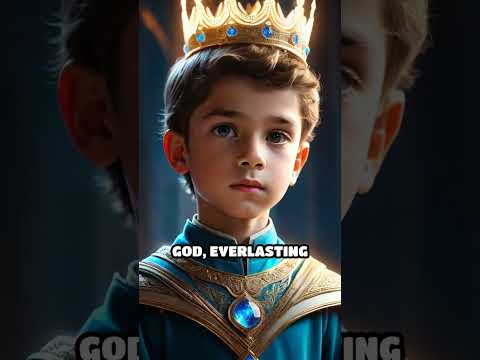
The day went on like that: frantic, earnest, good-hearted chaos. Children in cardboard crowns ran through the hall chasing each other with candy canes as weapons. Someone knocked over the display of free devotionals. The coffee urn developed a slow, dignified leak that no one noticed until it had anointed half the carpet.
At one point, Marlene finally found the missing “n” stuck to the back of her sweater. This, she said, was a spiritual lesson of some kind, though she wasn’t sure exactly what.
By late afternoon, the banners were up, the lights were mostly working, and the choir had reached a state of truce with Handel. Everyone went home, tired in that special way only church volunteers understand—the feeling that you have been serving the Lord by moving furniture.
Sunday morning, the sanctuary filled up with people in their December best: sweaters with bells on them, children in outfits chosen by relatives who did not ask their opinion, men in ties they only saw at weddings and Advent.
Howard slipped into his usual pew with a slight limp (stepladder incident) and took stock. The “Prince of Peace” banner had been straightened. The Isaiah 9 verse at the front—For unto us a Child is born, unto us a Son is given; and the government will be upon His shoulder—was perfectly centered. The choir looked almost serene, which was impressive, considering.
It all looked beautiful. It did not feel particularly peaceful.
During the opening hymn, Howard found himself thinking about the word “government.” He pictured it draped over Christ’s shoulder the way a bag of potting soil had been draped over his own yesterday. He remembered muttering, “Everything’s on me,” as he tried not to slip on ice in the parking lot.
The thought slipped in quietly: Maybe that’s the problem, Howard. You keep acting like everything is on you.
He tried to bat it away. This was not the time for conviction; this was the time for polite singing and hoping they didn’t run out of bulletins.
But the line from Isaiah just sat there: the government will be upon His shoulder.
Not yours, Howard. His.
He thought about how much energy he had spent managing things that were never really his to run: other people’s spiritual progress, the family group text, the fate of the choir’s tenor section, the entire future of the church every time the offering was a little low.
If it moved, he worried about it. If it didn’t move, he worried it was dead.
The choir stood for the anthem. “For unto us a Child is born…” they began, a little slower this time. Howard watched Marlene on the front row, singing like she meant it, even though she had spent yesterday arguing with adhesive.
“Unto us a Son is given…”
Unto people who lose their “n” and their patience. Unto pastors whose sermons sometimes land like paper airplanes instead of arrows. Unto churches whose idea of peace is “no one split the church over the color of the carpet this year.”
“And the government shall be upon His shoulder…”
Howard thought of all the times he had reread the news, fretted over church decisions, tried to fix his adult children from three time zones away, and then asked God to bless his efforts as if he were the one holding things together and the Lord was the assistant.
He had been decorating with Christ’s titles while insisting on keeping the job description.
Right in the middle of “Mighty God,” he found himself praying the barest, simplest prayer: “All right. You can have it. The government. Of my family. My church. My schedule. My future. You carry it. I am tired of being the Prince of Panic.”
It was not eloquent. But it was honest.
Something loosened in his chest. The choir did not suddenly become perfect. The children did not transform into statues. The coffee urn, as far as anyone knew, was still leaking. But for the first time all weekend, Howard’s shoulders dropped.
Later, as people were leaving, Pastor Dan shook his hand and said, “Can you help us take down the decorations in January?”
“Sure,” Howard said. “But just the decorations. I’m retiring from running the universe.”
The pastor laughed, assuming it was a joke.
Howard smiled, and for once, it wasn’t.
Somewhere behind him, the “Prince of Peace” banner hung straight and steady, not the least bit threatened by wobbly stepladders, broken lights, or over-responsible church members.
The Child who is Mighty God had not asked for Howard’s managerial expertise.
Just his trust.
________________________________________
#HolyWitBibleStudy #GordonMcGinnis #ChristInTheOldTestament #Isaiah9
Sidecar: The Child Who Is Mighty God
(Behold Your King: Christ in the Old Testament – Isaiah 9:1–7)
By the second Sunday of Advent, the fellowship hall at First Community Church looked like a seasonal storage unit that had exploded.
Somewhere under the artificial garland and the half-inflated angel was a table. People said they remembered seeing it in August.
Howard Carlson stood in the middle of it all holding a tangled ball of white Christmas lights the size of a volleyball and the weight of a small appliance. He looked at it the way a man looks at the consequences of his own decisions.
“Just plug it in and see which ones work,” said Pastor Dan, who had the hopeful tone of someone whose spiritual gift was delegating.
Howard did as instructed. Half the lights came on. The other half blinked twice and gave up, like volunteers after a church business meeting.
Across the room, Marlene was up on a stepladder taping letters to the big purple banner. It was supposed to read: “For unto us a Child is born, unto us a Son is given.” So far it read, “For unto us a Child is bor,” because the “n” had gone missing and the “given” was still in the plastic bag with the thumbtacks and a melted peppermint.
“You’re missing your ‘n,’ Marlene,” Howard called.
“I know I’m missing my ‘n,’ Howard,” she said. “I’m praying the Lord will provide.”
“That’s how we got into this mess,” he muttered, as another strand of lights blinked and died.
In the sanctuary, the choir was rehearsing “For Unto Us a Child Is Born” at a speed that suggested they were trying to qualify for the Olympics. The tenors were coming in a beat late, the altos were inventing a new harmony, and the organist was gamely attempting to keep the entire production from becoming a medley.
On the wall behind them hung another banner: “Prince of Peace.” It was slightly crooked, so that peace looked like it was sliding downhill.
Pastor Dan walked through the doorway just as the choir hit “Wonderful! Counselor!” in a way that made you feel you were being chased by adjectives.
“Isn’t it glorious?” he said.
Howard, who had just shocked himself on a faulty plug, said, “That’s one word for it.”
The day went on like that: frantic, earnest, good-hearted chaos. Children in cardboard crowns ran through the hall chasing each other with candy canes as weapons. Someone knocked over the display of free devotionals. The coffee urn developed a slow, dignified leak that no one noticed until it had anointed half the carpet.
At one point, Marlene finally found the missing “n” stuck to the back of her sweater. This, she said, was a spiritual lesson of some kind, though she wasn’t sure exactly what.
By late afternoon, the banners were up, the lights were mostly working, and the choir had reached a state of truce with Handel. Everyone went home, tired in that special way only church volunteers understand—the feeling that you have been serving the Lord by moving furniture.
Sunday morning, the sanctuary filled up with people in their December best: sweaters with bells on them, children in outfits chosen by relatives who did not ask their opinion, men in ties they only saw at weddings and Advent.
Howard slipped into his usual pew with a slight limp (stepladder incident) and took stock. The “Prince of Peace” banner had been straightened. The Isaiah 9 verse at the front—For unto us a Child is born, unto us a Son is given; and the government will be upon His shoulder—was perfectly centered. The choir looked almost serene, which was impressive, considering.
It all looked beautiful. It did not feel particularly peaceful.
During the opening hymn, Howard found himself thinking about the word “government.” He pictured it draped over Christ’s shoulder the way a bag of potting soil had been draped over his own yesterday. He remembered muttering, “Everything’s on me,” as he tried not to slip on ice in the parking lot.
The thought slipped in quietly: Maybe that’s the problem, Howard. You keep acting like everything is on you.
He tried to bat it away. This was not the time for conviction; this was the time for polite singing and hoping they didn’t run out of bulletins.
But the line from Isaiah just sat there: the government will be upon His shoulder.
Not yours, Howard. His.
He thought about how much energy he had spent managing things that were never really his to run: other people’s spiritual progress, the family group text, the fate of the choir’s tenor section, the entire future of the church every time the offering was a little low.
If it moved, he worried about it. If it didn’t move, he worried it was dead.
The choir stood for the anthem. “For unto us a Child is born…” they began, a little slower this time. Howard watched Marlene on the front row, singing like she meant it, even though she had spent yesterday arguing with adhesive.
“Unto us a Son is given…”
Unto people who lose their “n” and their patience. Unto pastors whose sermons sometimes land like paper airplanes instead of arrows. Unto churches whose idea of peace is “no one split the church over the color of the carpet this year.”
“And the government shall be upon His shoulder…”
Howard thought of all the times he had reread the news, fretted over church decisions, tried to fix his adult children from three time zones away, and then asked God to bless his efforts as if he were the one holding things together and the Lord was the assistant.
He had been decorating with Christ’s titles while insisting on keeping the job description.
Right in the middle of “Mighty God,” he found himself praying the barest, simplest prayer: “All right. You can have it. The government. Of my family. My church. My schedule. My future. You carry it. I am tired of being the Prince of Panic.”
It was not eloquent. But it was honest.
Something loosened in his chest. The choir did not suddenly become perfect. The children did not transform into statues. The coffee urn, as far as anyone knew, was still leaking. But for the first time all weekend, Howard’s shoulders dropped.
Later, as people were leaving, Pastor Dan shook his hand and said, “Can you help us take down the decorations in January?”
“Sure,” Howard said. “But just the decorations. I’m retiring from running the universe.”
The pastor laughed, assuming it was a joke.
Howard smiled, and for once, it wasn’t.
Somewhere behind him, the “Prince of Peace” banner hung straight and steady, not the least bit threatened by wobbly stepladders, broken lights, or over-responsible church members.
The Child who is Mighty God had not asked for Howard’s managerial expertise.
Just his trust.
________________________________________
#HolyWitBibleStudy #GordonMcGinnis #ChristInTheOldTestament #Isaiah9
#2 Holy Wit – Sidecar Reflections
Sidecar: The Child Who Is Mighty God
(Behold Your King: Christ in the Old Testament – Isaiah 9:1–7)
By the second Sunday of Advent, the fellowship hall at First Community Church looked like a seasonal storage unit that had exploded.
Somewhere under the artificial garland and the half-inflated angel was a table. People said they remembered seeing it in August.
Howard Carlson stood in the middle of it all holding a tangled ball of white Christmas lights the size of a volleyball and the weight of a small appliance. He looked at it the way a man looks at the consequences of his own decisions.
“Just plug it in and see which ones work,” said Pastor Dan, who had the hopeful tone of someone whose spiritual gift was delegating.
Howard did as instructed. Half the lights came on. The other half blinked twice and gave up, like volunteers after a church business meeting.
Across the room, Marlene was up on a stepladder taping letters to the big purple banner. It was supposed to read: “For unto us a Child is born, unto us a Son is given.” So far it read, “For unto us a Child is bor,” because the “n” had gone missing and the “given” was still in the plastic bag with the thumbtacks and a melted peppermint.
“You’re missing your ‘n,’ Marlene,” Howard called.
“I know I’m missing my ‘n,’ Howard,” she said. “I’m praying the Lord will provide.”
“That’s how we got into this mess,” he muttered, as another strand of lights blinked and died.
In the sanctuary, the choir was rehearsing “For Unto Us a Child Is Born” at a speed that suggested they were trying to qualify for the Olympics. The tenors were coming in a beat late, the altos were inventing a new harmony, and the organist was gamely attempting to keep the entire production from becoming a medley.
On the wall behind them hung another banner: “Prince of Peace.” It was slightly crooked, so that peace looked like it was sliding downhill.
Pastor Dan walked through the doorway just as the choir hit “Wonderful! Counselor!” in a way that made you feel you were being chased by adjectives.
“Isn’t it glorious?” he said.
Howard, who had just shocked himself on a faulty plug, said, “That’s one word for it.”
The day went on like that: frantic, earnest, good-hearted chaos. Children in cardboard crowns ran through the hall chasing each other with candy canes as weapons. Someone knocked over the display of free devotionals. The coffee urn developed a slow, dignified leak that no one noticed until it had anointed half the carpet.
At one point, Marlene finally found the missing “n” stuck to the back of her sweater. This, she said, was a spiritual lesson of some kind, though she wasn’t sure exactly what.
By late afternoon, the banners were up, the lights were mostly working, and the choir had reached a state of truce with Handel. Everyone went home, tired in that special way only church volunteers understand—the feeling that you have been serving the Lord by moving furniture.
Sunday morning, the sanctuary filled up with people in their December best: sweaters with bells on them, children in outfits chosen by relatives who did not ask their opinion, men in ties they only saw at weddings and Advent.
Howard slipped into his usual pew with a slight limp (stepladder incident) and took stock. The “Prince of Peace” banner had been straightened. The Isaiah 9 verse at the front—For unto us a Child is born, unto us a Son is given; and the government will be upon His shoulder—was perfectly centered. The choir looked almost serene, which was impressive, considering.
It all looked beautiful. It did not feel particularly peaceful.
During the opening hymn, Howard found himself thinking about the word “government.” He pictured it draped over Christ’s shoulder the way a bag of potting soil had been draped over his own yesterday. He remembered muttering, “Everything’s on me,” as he tried not to slip on ice in the parking lot.
The thought slipped in quietly: Maybe that’s the problem, Howard. You keep acting like everything is on you.
He tried to bat it away. This was not the time for conviction; this was the time for polite singing and hoping they didn’t run out of bulletins.
But the line from Isaiah just sat there: the government will be upon His shoulder.
Not yours, Howard. His.
He thought about how much energy he had spent managing things that were never really his to run: other people’s spiritual progress, the family group text, the fate of the choir’s tenor section, the entire future of the church every time the offering was a little low.
If it moved, he worried about it. If it didn’t move, he worried it was dead.
The choir stood for the anthem. “For unto us a Child is born…” they began, a little slower this time. Howard watched Marlene on the front row, singing like she meant it, even though she had spent yesterday arguing with adhesive.
“Unto us a Son is given…”
Unto people who lose their “n” and their patience. Unto pastors whose sermons sometimes land like paper airplanes instead of arrows. Unto churches whose idea of peace is “no one split the church over the color of the carpet this year.”
“And the government shall be upon His shoulder…”
Howard thought of all the times he had reread the news, fretted over church decisions, tried to fix his adult children from three time zones away, and then asked God to bless his efforts as if he were the one holding things together and the Lord was the assistant.
He had been decorating with Christ’s titles while insisting on keeping the job description.
Right in the middle of “Mighty God,” he found himself praying the barest, simplest prayer: “All right. You can have it. The government. Of my family. My church. My schedule. My future. You carry it. I am tired of being the Prince of Panic.”
It was not eloquent. But it was honest.
Something loosened in his chest. The choir did not suddenly become perfect. The children did not transform into statues. The coffee urn, as far as anyone knew, was still leaking. But for the first time all weekend, Howard’s shoulders dropped.
Later, as people were leaving, Pastor Dan shook his hand and said, “Can you help us take down the decorations in January?”
“Sure,” Howard said. “But just the decorations. I’m retiring from running the universe.”
The pastor laughed, assuming it was a joke.
Howard smiled, and for once, it wasn’t.
Somewhere behind him, the “Prince of Peace” banner hung straight and steady, not the least bit threatened by wobbly stepladders, broken lights, or over-responsible church members.
The Child who is Mighty God had not asked for Howard’s managerial expertise.
Just his trust.
________________________________________
#HolyWitBibleStudy #GordonMcGinnis #ChristInTheOldTestament #Isaiah9
0 Commentarii
0 Distribuiri
17 Views

 English
 Arabic
 French
 Spanish
 Portuguese
 Deutsch
 Turkish
 Dutch
Dutch
 Italiano
 Russian
 Portuguese (Brazil)
 Greek
Greek
 हिन्दी