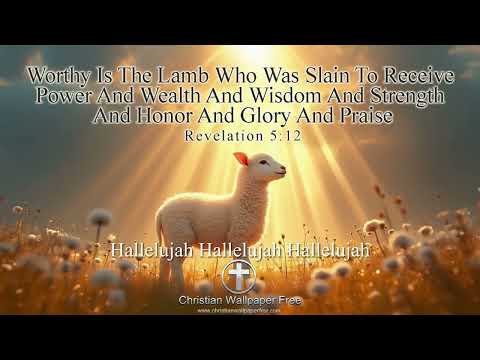
• https://www.youtube.com/watch?v=5Gs0JkG1wH8
    SING TO THE LORD A NEW SONG ...
    ..... I AM


    https://www.youtube.com/watch?v=5Gs0JkG1wH8 SING TO THE LORD A NEW SONG ... ..... I AM
    Worshiping
    1
    0 التعليقات 0 المشاركات 79 مشاهدة
  • Share your Lazarus-inspired artwork, song, poetry, or personal reflection using #LazarusComeForth.

    We’ll feature our favorites in an upcoming community spotlight!

    Explore more: lazaruscameforth.com

    #LazarusComeForth #FaithAndCreativity #ShareYourStory #ChristianArt #WorshipMusic #Testimony #FaithCommunity #InspirationalArt #ChristianCreatives #MiracleStory
    ✨ Share your Lazarus-inspired artwork, song, poetry, or personal reflection using #LazarusComeForth. We’ll feature our favorites in an upcoming community spotlight! 🎶📖 🌐 Explore more: lazaruscameforth.com #LazarusComeForth #FaithAndCreativity #ShareYourStory #ChristianArt #WorshipMusic #Testimony #FaithCommunity #InspirationalArt #ChristianCreatives #MiracleStory
    0 التعليقات 0 المشاركات 23 مشاهدة
  • You’re Always on His Mind

    Psalms 115:12 YHWH hath been mindful of us: he will bless us; he will bless the house of Israel; he will bless the house of Aaron.

    No one cares about your life more than YHWH does. In fact, he cares about your life more than you do.

    There’s an old Willie Nelson song, “You Were Always on My Mind.” But the idea behind that song just isn’t true. No matter how much you love someone, they can’t be on your mind all the time.

    But I want to tell you this: You are always on YHWH’s mind. He is never not thinking about you. He’s thinking about you right now.

    The Scriptures teach this over and over.

    Psalms 115:12 YHWH hath been mindful of us: he will bless us; he will bless the house of Israel; he will bless the house of Aaron. And 1 Peter 5:7 says…

    1 Peter 5:7 Casting all your care upon him; for he careth for you.

    Whatever concerns you concerns YHWH - all the things you’re worried about or afraid about. There is nothing in your life you’re concerned about that YHWH isn’t concerned about, because you are always on his mind.

    Because you’re always on YHWH’s mind, he’s always looking out for you. And that means you can always trust his plan for your life.

    Before Messiah was born, Mary accepted YHWH’s destiny for her life because she knew YHWH was always looking out for her. After the angel told her that YHWH had chosen her as the mother of his Son, she said the following…

    Luke 1:48 For he hath regarded the low estate of his handmaiden: for, behold, from henceforth all generations shall call me blessed.

    What does “mindful” mean? That means YHWH is alert. He’s attentive. He’s aware. He’s focused. He’s paying attention. When nobody else is paying attention to you, YHWH’s paying attention to you. He notices everything. In fact, Messiah said this about your life…

    Matthew 10:29-30 Are not two sparrows sold for a farthing? and one of them shall not fall on the ground without your Father. But the very hairs of your head are all numbered.

    I like the cross reference for that scripture…

    Luke 12:6-7 Are not five sparrows sold for two farthings, and not one of them is forgotten before YHWH? But even the very hairs of your head are all numbered. Fear not therefore: ye are of more value than many sparrows.

    You don’t know the number of hairs on your head—but YHWH does. That’s how much attention he pays to your life!

    YHWH’s mindfulness—his attention, his concern—made Mary trust YHWH with her destiny. Will you trust him with your destiny too?

    He cared for the disciples when the where in the boat and it was about to sink…

    Mark 4:38-39 And he was in the hinder part of the ship, asleep on a pillow: and they awake him, and say unto him, Rabbi, carest thou not that we perish? And he arose, and rebuked the wind, and said unto the sea, Peace, be still. And the wind ceased, and there was a great calm.

    Psalms 8:4 What is man, that thou art mindful of him? and the son of man, that thou visitest him?

    Job 7:17 What is man, that thou shouldest magnify him? and that thou shouldest set thine heart upon him?

    Psalms 144:3 YHWH, what is man, that thou takest knowledge of him! or the son of man, that thou makest account of him!

    Psalms 115:12 YHWH hath been mindful of us: he will bless us; he will bless the house of Israel; he will bless the house of Aaron.

    Psalms 40:17 But I am poor and needy; yet YHWH thinketh upon me: thou art my help and my deliverer; make no tarrying, O my Elohim.

    Psalms 31:7-8 (7) I will be glad and rejoice in thy mercy: for thou hast considered my trouble; thou hast known my soul in adversities; (8) And hast not shut me up into the hand of the enemy: thou hast set my feet in a large room.

    Think about this…

    Psalms 139:7-16 (7) Whither shall I go from thy spirit? or whither shall I flee from thy presence? (8) If I ascend up into heaven, thou art there: if I make my bed in hell, behold, thou art there. (9) If I take the wings of the morning, and dwell in the uttermost parts of the sea; (10) Even there shall thy hand lead me, and thy right hand shall hold me. (11) If I say, Surely the darkness shall cover me; even the night shall be light about me. (12) Yea, the darkness hideth not from thee; but the night shineth as the day: the darkness and the light are both alike to thee. (13) For thou hast possessed my reins: thou hast covered me in my mother's womb. (14) I will praise thee; for I am fearfully and wonderfully made: marvellous are thy works; and that my soul knoweth right well. (15) My substance was not hid from thee, when I was made in secret, and curiously wrought in the lowest parts of the earth. (16) Thine eyes did see my substance, yet being unperfect; and in thy book all my members were written, which in continuance were fashioned, when as yet there was none of them.
    You’re Always on His Mind Psalms 115:12 YHWH hath been mindful of us: he will bless us; he will bless the house of Israel; he will bless the house of Aaron. No one cares about your life more than YHWH does. In fact, he cares about your life more than you do. There’s an old Willie Nelson song, “You Were Always on My Mind.” But the idea behind that song just isn’t true. No matter how much you love someone, they can’t be on your mind all the time. But I want to tell you this: You are always on YHWH’s mind. He is never not thinking about you. He’s thinking about you right now. The Scriptures teach this over and over. Psalms 115:12 YHWH hath been mindful of us: he will bless us; he will bless the house of Israel; he will bless the house of Aaron. And 1 Peter 5:7 says… 1 Peter 5:7 Casting all your care upon him; for he careth for you. Whatever concerns you concerns YHWH - all the things you’re worried about or afraid about. There is nothing in your life you’re concerned about that YHWH isn’t concerned about, because you are always on his mind. Because you’re always on YHWH’s mind, he’s always looking out for you. And that means you can always trust his plan for your life. Before Messiah was born, Mary accepted YHWH’s destiny for her life because she knew YHWH was always looking out for her. After the angel told her that YHWH had chosen her as the mother of his Son, she said the following… Luke 1:48 For he hath regarded the low estate of his handmaiden: for, behold, from henceforth all generations shall call me blessed. What does “mindful” mean? That means YHWH is alert. He’s attentive. He’s aware. He’s focused. He’s paying attention. When nobody else is paying attention to you, YHWH’s paying attention to you. He notices everything. In fact, Messiah said this about your life… Matthew 10:29-30 Are not two sparrows sold for a farthing? and one of them shall not fall on the ground without your Father. But the very hairs of your head are all numbered. I like the cross reference for that scripture… Luke 12:6-7 Are not five sparrows sold for two farthings, and not one of them is forgotten before YHWH? But even the very hairs of your head are all numbered. Fear not therefore: ye are of more value than many sparrows. You don’t know the number of hairs on your head—but YHWH does. That’s how much attention he pays to your life! YHWH’s mindfulness—his attention, his concern—made Mary trust YHWH with her destiny. Will you trust him with your destiny too? He cared for the disciples when the where in the boat and it was about to sink… Mark 4:38-39 And he was in the hinder part of the ship, asleep on a pillow: and they awake him, and say unto him, Rabbi, carest thou not that we perish? And he arose, and rebuked the wind, and said unto the sea, Peace, be still. And the wind ceased, and there was a great calm. Psalms 8:4 What is man, that thou art mindful of him? and the son of man, that thou visitest him? Job 7:17 What is man, that thou shouldest magnify him? and that thou shouldest set thine heart upon him? Psalms 144:3 YHWH, what is man, that thou takest knowledge of him! or the son of man, that thou makest account of him! Psalms 115:12 YHWH hath been mindful of us: he will bless us; he will bless the house of Israel; he will bless the house of Aaron. Psalms 40:17 But I am poor and needy; yet YHWH thinketh upon me: thou art my help and my deliverer; make no tarrying, O my Elohim. Psalms 31:7-8 (7) I will be glad and rejoice in thy mercy: for thou hast considered my trouble; thou hast known my soul in adversities; (8) And hast not shut me up into the hand of the enemy: thou hast set my feet in a large room. Think about this… Psalms 139:7-16 (7) Whither shall I go from thy spirit? or whither shall I flee from thy presence? (8) If I ascend up into heaven, thou art there: if I make my bed in hell, behold, thou art there. (9) If I take the wings of the morning, and dwell in the uttermost parts of the sea; (10) Even there shall thy hand lead me, and thy right hand shall hold me. (11) If I say, Surely the darkness shall cover me; even the night shall be light about me. (12) Yea, the darkness hideth not from thee; but the night shineth as the day: the darkness and the light are both alike to thee. (13) For thou hast possessed my reins: thou hast covered me in my mother's womb. (14) I will praise thee; for I am fearfully and wonderfully made: marvellous are thy works; and that my soul knoweth right well. (15) My substance was not hid from thee, when I was made in secret, and curiously wrought in the lowest parts of the earth. (16) Thine eyes did see my substance, yet being unperfect; and in thy book all my members were written, which in continuance were fashioned, when as yet there was none of them.
    Like
    1
    0 التعليقات 0 المشاركات 32 مشاهدة
  • “You have armed me with strength for battle; you have subdued my enemies under my feet.”
    Psalm 18:39

    “The Lord is my strength and my song; he has become my salvation.”
    Isaiah 12:2

    “The Lord is good, a stronghold in the day of trouble; he knows those who take refuge in him.”
    Nahum 1:7
    “You have armed me with strength for battle; you have subdued my enemies under my feet.” Psalm 18:39 “The Lord is my strength and my song; he has become my salvation.” Isaiah 12:2 “The Lord is good, a stronghold in the day of trouble; he knows those who take refuge in him.” Nahum 1:7
    0 التعليقات 0 المشاركات 16 مشاهدة
  • Charles Spurgeon morning devotional for August 25th
    His fruit was sweet to my taste."
    Song of Solomon 2:3

    Faith, in the Scripture, is spoken of under the emblem of all the senses. It is sight: "Look unto me and be ye saved." It is hearing: "Hear, and your soul shall live." Faith is smelling: "All thy garments smell of myrrh, and aloes, and cassia;" "thy name is as ointment poured forth." Faith is spiritual touch. By this faith the woman came behind and touched the hem of Christ's garment, and by this we handle the things of the good word of life. Faith is equally the spirit's taste. "How sweet are thy words to my taste! yea, sweeter than honey to my lips." "Except a man eat my flesh," saith Christ, "and drink my blood, there is no life in him."
    This "taste" is faith in one of its highest operations. One of the first performances of faith is hearing. We hear the voice of God, not with the outward ear alone, but with the inward ear; we hear it as God's Word, and we believe it to be so; that is the "hearing" of faith. Then our mind looketh upon the truth as it is presented to us; that is to say, we understand it, we perceive its meaning; that is the "seeing" of faith. Next we discover its preciousness; we begin to admire it, and find how fragrant it is; that is faith in its "smell." Then we appropriate the mercies which are prepared for us in Christ; that is faith in its "touch." Hence follow the enjoyments, peace, delight, communion; which are faith in its "taste." Any one of these acts of faith is saving. To hear Christ's voice as the sure voice of God in the soul will save us; but that which gives true enjoyment is the aspect of faith wherein Christ, by holy taste, is received into us, and made, by inward and spiritual apprehension of his sweetness and preciousness, to be the food of our souls. It is then we sit "under his shadow with great delight," and find his fruit sweet to our taste.
    Charles Spurgeon morning devotional for August 25th His fruit was sweet to my taste." Song of Solomon 2:3 Faith, in the Scripture, is spoken of under the emblem of all the senses. It is sight: "Look unto me and be ye saved." It is hearing: "Hear, and your soul shall live." Faith is smelling: "All thy garments smell of myrrh, and aloes, and cassia;" "thy name is as ointment poured forth." Faith is spiritual touch. By this faith the woman came behind and touched the hem of Christ's garment, and by this we handle the things of the good word of life. Faith is equally the spirit's taste. "How sweet are thy words to my taste! yea, sweeter than honey to my lips." "Except a man eat my flesh," saith Christ, "and drink my blood, there is no life in him." This "taste" is faith in one of its highest operations. One of the first performances of faith is hearing. We hear the voice of God, not with the outward ear alone, but with the inward ear; we hear it as God's Word, and we believe it to be so; that is the "hearing" of faith. Then our mind looketh upon the truth as it is presented to us; that is to say, we understand it, we perceive its meaning; that is the "seeing" of faith. Next we discover its preciousness; we begin to admire it, and find how fragrant it is; that is faith in its "smell." Then we appropriate the mercies which are prepared for us in Christ; that is faith in its "touch." Hence follow the enjoyments, peace, delight, communion; which are faith in its "taste." Any one of these acts of faith is saving. To hear Christ's voice as the sure voice of God in the soul will save us; but that which gives true enjoyment is the aspect of faith wherein Christ, by holy taste, is received into us, and made, by inward and spiritual apprehension of his sweetness and preciousness, to be the food of our souls. It is then we sit "under his shadow with great delight," and find his fruit sweet to our taste.
    0 التعليقات 0 المشاركات 17 مشاهدة
  • Going to church does not automatically make you spiritually mature.

    Yes, you heard me.

    You can attend church every Sunday and still be far from God.

    You can sit in the front row, carry your Bible, sing every worship song, shout “Amen!” to every prayer, and still have a heart that has not truly surrendered to God.

    Church attendance is good. But church attendance alone is not spiritual maturity.

    Imagine someone who goes to the gym every single day.

    They wear gym clothes.
    They take pictures in the gym.
    They know the names of all the machines.
    They even tell people, “I am always at the gym.”

    But they never exercise.

    Will their body change? No.

    They were physically present, but they were not participating.

    That is how some people are spiritually.

    They are always in church… But they don’t pray.

    They hear the Word… But they don’t obey it.

    They sing about forgiveness… But they refuse to forgive.

    They preach about love… But they hate people.

    They shout about holiness… But secretly live a completely different life.

    They know Bible verses… But they don’t know the God behind the verses.

    And this is where we need to be brutally honest with ourselves.

    You can be a church member and still be spiritually immature.

    You can know the language of Christianity without carrying the character of Christ.

    You can know when to say “Praise the Lord” while your heart is full of pride, bitterness, lust, jealousy, unforgiveness and selfishness.

    And sometimes, the most dangerous person is not the person who knows nothing about God… It is the person who knows the Word, hears the Word, teaches the Word, but refuses to live the Word.

    Because knowledge without obedience can become self-deception.

    Spiritual maturity is not measured by how many years you have been going to church. It is seen in how you behave when nobody is watching.

    Can you control yourself when temptation comes?

    Can you forgive when you have been deeply hurt?

    Can you walk away from sin even when nobody would ever know?

    Can you say “no” to something you desperately want because you know God is saying no?

    Can you love people who cannot do anything for you?

    Can you admit when you are wrong?

    Can you humble yourself?

    Can you obey God even when obedience is painful?

    That is where spiritual maturity begins.

    Because Christianity is not just about being found in church. It is about allowing Christ to be found in you.

    And maybe this is the question we need to stop asking: “Did I go to church today?”

    And start asking: “Did I become more like Christ today?”

    Because one day, God will not be impressed by the number of Sundays you occupied a church seat.

    He will look at the life you lived after you left that seat.

    So please… Don’t just be a regular churchgoer. Be a growing Christian.

    Don’t just hear the Word. Live it.

    Don’t just carry the Bible. Let the Bible change you.

    Because the greatest evidence that you have been with God is not how loudly you worship in public… It is how differently you live when nobody is watching.

    I am Anthony Chukwuebuka - THE BOO OF THE BOOLESS; Yes, you can spend your whole life sitting in God’s house and still never allow God to build His house inside your heart.

    Think about that.
    Going to church does not automatically make you spiritually mature. Yes, you heard me. You can attend church every Sunday and still be far from God. You can sit in the front row, carry your Bible, sing every worship song, shout “Amen!” to every prayer, and still have a heart that has not truly surrendered to God. Church attendance is good. But church attendance alone is not spiritual maturity. Imagine someone who goes to the gym every single day. They wear gym clothes. They take pictures in the gym. They know the names of all the machines. They even tell people, “I am always at the gym.” But they never exercise. Will their body change? No. They were physically present, but they were not participating. That is how some people are spiritually. They are always in church… But they don’t pray. They hear the Word… But they don’t obey it. They sing about forgiveness… But they refuse to forgive. They preach about love… But they hate people. They shout about holiness… But secretly live a completely different life. They know Bible verses… But they don’t know the God behind the verses. And this is where we need to be brutally honest with ourselves. You can be a church member and still be spiritually immature. You can know the language of Christianity without carrying the character of Christ. You can know when to say “Praise the Lord” while your heart is full of pride, bitterness, lust, jealousy, unforgiveness and selfishness. And sometimes, the most dangerous person is not the person who knows nothing about God… It is the person who knows the Word, hears the Word, teaches the Word, but refuses to live the Word. Because knowledge without obedience can become self-deception. Spiritual maturity is not measured by how many years you have been going to church. It is seen in how you behave when nobody is watching. Can you control yourself when temptation comes? Can you forgive when you have been deeply hurt? Can you walk away from sin even when nobody would ever know? Can you say “no” to something you desperately want because you know God is saying no? Can you love people who cannot do anything for you? Can you admit when you are wrong? Can you humble yourself? Can you obey God even when obedience is painful? That is where spiritual maturity begins. Because Christianity is not just about being found in church. It is about allowing Christ to be found in you. And maybe this is the question we need to stop asking: “Did I go to church today?” And start asking: “Did I become more like Christ today?” Because one day, God will not be impressed by the number of Sundays you occupied a church seat. He will look at the life you lived after you left that seat. So please… Don’t just be a regular churchgoer. Be a growing Christian. Don’t just hear the Word. Live it. Don’t just carry the Bible. Let the Bible change you. Because the greatest evidence that you have been with God is not how loudly you worship in public… It is how differently you live when nobody is watching. I am Anthony Chukwuebuka - THE BOO OF THE BOOLESS; Yes, you can spend your whole life sitting in God’s house and still never allow God to build His house inside your heart. Think about that.
    0 التعليقات 0 المشاركات 15 مشاهدة
  • THE MONEY’S MIND
    The Economic Performance of the Word
    By Omodolapo Ogunye
    What if Scripture is not merely a book to be read, but a script containing economic performances waiting to be activated?
    This question takes us beyond reading Scripture as historical documentation or a collection of spiritual principles. It invites us to see Scripture as a divinely written script containing the intentions and performances of God.
    Revelation 1 gives us a remarkable description of the Word through His Body: feet like burnished bronze, eyes like blazing fire, a face shining like the sun and a hand holding seven stars.
    These descriptions reveal the Person of the Word.
    And some of these descriptions are explicitly economic.
    Proverbs 3:16 says:
    “In her left hand are riches and honor.”
    Song of Solomon 5:11 says:
    “His head is purest gold.”
    Gold speaks of value, wealth and monetary significance. Yet Scripture uses gold to describe the Person of the Word.
    This gives us the foundation of The Money’s Mind:
    The Money is a Person.
    The Money is the Word.
    The Money has a Mind.
    THE SCRIPTURE IS A SCRIPT
    2 Timothy 3:16 says:
    “All Scripture is God-breathed.”
    Scripture records what God has done, what He can do and what He intends to do.
    It is therefore more than historical documentation.
    It contains divine intentions waiting for performance.
    Throughout Scripture, we see this pattern: what was spoken becomes what is performed.
    A prophecy is given.
    Then it is fulfilled.
    A promise is declared.
    Then reality responds.
    The Scripture therefore functions as a script for the performances of God.
    THE WORD PRODUCES PERFORMANCE
    John 5:39 gives us the key:
    “These are the Scriptures that testify about me.”
    The Scriptures testify about the Person of the Word.
    The Body reveals the Person.
    The Person gives meaning to the Scriptures.
    The Scriptures carry the performances associated with the Person.
    This means the Word is not passive.
    The Word carries performance.
    And because the Word is economic and financial, the Scriptures can produce economic performances.
    The question therefore moves beyond:
    “How does money work?”
    to:
    “What does the Word perform economically?”
    What economic intentions are contained in Scripture?
    What financial realities does the Word reveal?
    What can the Word perform in an individual, an enterprise or a nation?
    THE ECONOMIC PERFORMANCE OF THE WORD
    The Body of the Word is described as burnished bronze.
    It is described through blazing fire.
    It is described through gold, riches and honor.
    When these revelations come together, we see:
    The Body of the Word, as the aggressive hunger of the Father, is the economic and financial way of the Lord.
    But the revelation goes further.
    The way produces performance.
    The Scriptures contain the script.
    The Body reveals the Person.
    The Person reveals the Mind.
    And the Mind reveals what the Word intends to perform.
    Therefore, we should not read Scripture merely to accumulate information.
    We should learn to recognise the performances contained in the Word.
    THE MONEY’S MIND
    The Money’s Mind is not simply a conversation about wealth.
    It is an investigation into the economic Mind of the Word.
    The Money is the Word.
    The Word has a Mind.
    And the Mind of the Word carries intentions, wisdom, ways and performances.
    So perhaps the deeper economic question is not:
    “How can I make money?”
    but:
    “What does the Money intend to perform?”
    Because when the Money is the Word, understanding the Mind of the Word becomes an economic investigation.
    The Money has a Mind.
    And the Mind of the Word carries economic performance.
    Omodolapo Ogunye
    The Money’s Mind — The Body of the Word as Finance & Economics
    THE MONEY’S MIND The Economic Performance of the Word By Omodolapo Ogunye What if Scripture is not merely a book to be read, but a script containing economic performances waiting to be activated? This question takes us beyond reading Scripture as historical documentation or a collection of spiritual principles. It invites us to see Scripture as a divinely written script containing the intentions and performances of God. Revelation 1 gives us a remarkable description of the Word through His Body: feet like burnished bronze, eyes like blazing fire, a face shining like the sun and a hand holding seven stars. These descriptions reveal the Person of the Word. And some of these descriptions are explicitly economic. Proverbs 3:16 says: “In her left hand are riches and honor.” Song of Solomon 5:11 says: “His head is purest gold.” Gold speaks of value, wealth and monetary significance. Yet Scripture uses gold to describe the Person of the Word. This gives us the foundation of The Money’s Mind: The Money is a Person. The Money is the Word. The Money has a Mind. THE SCRIPTURE IS A SCRIPT 2 Timothy 3:16 says: “All Scripture is God-breathed.” Scripture records what God has done, what He can do and what He intends to do. It is therefore more than historical documentation. It contains divine intentions waiting for performance. Throughout Scripture, we see this pattern: what was spoken becomes what is performed. A prophecy is given. Then it is fulfilled. A promise is declared. Then reality responds. The Scripture therefore functions as a script for the performances of God. THE WORD PRODUCES PERFORMANCE John 5:39 gives us the key: “These are the Scriptures that testify about me.” The Scriptures testify about the Person of the Word. The Body reveals the Person. The Person gives meaning to the Scriptures. The Scriptures carry the performances associated with the Person. This means the Word is not passive. The Word carries performance. And because the Word is economic and financial, the Scriptures can produce economic performances. The question therefore moves beyond: “How does money work?” to: “What does the Word perform economically?” What economic intentions are contained in Scripture? What financial realities does the Word reveal? What can the Word perform in an individual, an enterprise or a nation? THE ECONOMIC PERFORMANCE OF THE WORD The Body of the Word is described as burnished bronze. It is described through blazing fire. It is described through gold, riches and honor. When these revelations come together, we see: The Body of the Word, as the aggressive hunger of the Father, is the economic and financial way of the Lord. But the revelation goes further. The way produces performance. The Scriptures contain the script. The Body reveals the Person. The Person reveals the Mind. And the Mind reveals what the Word intends to perform. Therefore, we should not read Scripture merely to accumulate information. We should learn to recognise the performances contained in the Word. THE MONEY’S MIND The Money’s Mind is not simply a conversation about wealth. It is an investigation into the economic Mind of the Word. The Money is the Word. The Word has a Mind. And the Mind of the Word carries intentions, wisdom, ways and performances. So perhaps the deeper economic question is not: “How can I make money?” but: “What does the Money intend to perform?” Because when the Money is the Word, understanding the Mind of the Word becomes an economic investigation. The Money has a Mind. And the Mind of the Word carries economic performance. Omodolapo Ogunye The Money’s Mind — The Body of the Word as Finance & Economics
    Like
    1
    0 التعليقات 0 المشاركات 56 مشاهدة
  • Holy words long preserved
    for our walk in this world,
    They resound with God's own heart
    Oh, let the Ancient words impart.

    Words of Life, words of Hope
    Give us strength, help us cope
    In this world, where e'er we roam
    Ancient words will guide us Home.

    Ancient words ever true
    Changing me, and changing you.
    We have come with open hearts
    Oh let the ancient words impart.

    Holy words of our Faith
    Handed down to this age.
    Came to us through sacrifice
    Oh heed the faithful words of Christ.

    Holy words long preserved
    For our walk in this world.
    They resound with God's own heart
    Oh let the ancient words impart.

    Ancient words ever true
    Changing me, and changing you.
    We have come with open hearts
    Oh let the ancient words impart.

    Ancient words ever true
    Changing me, and changing you.
    We have come with open hearts
    Oh let the ancient words impart.

    Song by Michael W. Smith
    Holy words long preserved for our walk in this world, They resound with God's own heart Oh, let the Ancient words impart. Words of Life, words of Hope Give us strength, help us cope In this world, where e'er we roam Ancient words will guide us Home. Ancient words ever true Changing me, and changing you. We have come with open hearts Oh let the ancient words impart. Holy words of our Faith Handed down to this age. Came to us through sacrifice Oh heed the faithful words of Christ. Holy words long preserved For our walk in this world. They resound with God's own heart Oh let the ancient words impart. Ancient words ever true Changing me, and changing you. We have come with open hearts Oh let the ancient words impart. Ancient words ever true Changing me, and changing you. We have come with open hearts Oh let the ancient words impart. Song by Michael W. Smith
    Like
    1
    1 التعليقات 0 المشاركات 46 مشاهدة
  • https://www.youtube.com/watch?v=dJstwFgKAe8

    SING TO THE LORD A NEW SONG ...
    ... Worthy Is The Lamb Who Was Slain ( Revelation 5 : 2 )
    https://www.youtube.com/watch?v=dJstwFgKAe8 SING TO THE LORD A NEW SONG ... ... Worthy Is The Lamb Who Was Slain ( Revelation 5 : 2 )
    Like
    Worshiping
    2
    0 التعليقات 0 المشاركات 268 مشاهدة
  • The Kitchen Newsletter

    Good day,
    Welcome to The Kitchen, where we explore, prepare and serve the contents in the Body of the Word as the delicacies of God—to create the form of the Father on the earth, to make the earth in His likeness, and to take charge of the economic destinies of nations for God.

    Relax, and let's journey through the scriptures to see the Body of the Word.

    What does God look like?

    It is a simple question, but Scripture gives us an answer that is far more concrete than we often realise.

    The Bible calls God invisible. Yet Scripture also tells us that the invisible God has made Himself known—not merely through ideas, doctrines, or written sentences, but through a Person.

    John, on the island of Patmos, saw Him.

    “I turned around to see the voice that was speaking to me…”

    And what John saw was astonishing: a figure with a head and hair, eyes, feet, a voice, hands, a face and a mouth. John was describing the appearance of Jesus Christ—the living Word of God.

    Revelation 1:12–17

    This is why Scripture says:

    “The Son is the radiance of God’s glory and the exact representation of his being.”

    Hebrews 1:3

    And again:

    “Christ, who is the image of God.”

    2 Corinthians 4:4

    So we can say:

    The Body of the Word is the image of the invisible God.

    The Scriptures Reveal a Person

    This changes the way we should read Scripture.

    We are accustomed to reading the Bible primarily as a collection of words, teachings, commandments, promises and historical accounts. But Scripture itself tells us that the Scriptures testify about a Person.

    Jesus said:

    “These are the Scriptures that testify about me.”

    John 5:39

    The Scriptures are therefore not merely information about God. They testify about Jesus Christ, the living Word.

    Consider one example.

    John saw the eyes of Christ and wrote:

    “His eyes were like blazing fire.”

    Revelation 1:14

    That is a detailed description of the Body of the Word.

    But Scripture also says:

    “Our God is a consuming fire.”

    Hebrews 12:29

    The description of the Body therefore becomes a revelation about God Himself.

    The same principle runs through the Scriptures: the details of the Body of the Word testify about the Person of the Word and reveal the invisible Father.

    Paul writes:

    “God, who said, ‘Let light shine out of darkness,’ made his light shine in our hearts to give us the light of the knowledge of God’s glory displayed in the face of Christ.”

    2 Corinthians 4:6

    The “face of Christ” becomes a point of revelation—the Body of the Word revealing the invisible God.

    Scripture Must Be Unfolded

    This is where something particularly provocative begins to emerge.

    What if the Scriptures are not simply information about God, but the Father's script for revealing Himself?

    Psalm 119:130 says:

    “The unfolding of your words gives light; it gives understanding to the simple.”

    Psalm 119:130

    The Word must be unfolded.

    We can read a Scripture without necessarily seeing the revelation contained within it.

    We can know the sentence without knowing the Person whom the sentence reveals.

    That is the difference between merely reading Scripture and receiving revelation.

    The detailed descriptions of the Body of the Word are therefore not decorative language. They are scriptural descriptions that can be unfolded to reveal the Father.

    Paul describes this revelation as:

    “the light of the knowledge of God’s glory displayed in the face of Christ.”

    2 Corinthians 4:6

    So the purpose of the unfolding is not simply to give us more biblical information.

    It is to give us the revelation knowledge of the Father.

    The Body of the Word: White Like Wool and Snow

    Consider the description John gives:

    “His head and hair were white like wool, as white as snow.”

    Revelation 1:14

    This is a detailed description of the Body of the Word.

    But John is not alone in seeing this.

    Daniel saw the Ancient of Days and wrote:

    “His clothing was as white as snow; the hair of his head was white like wool.”

    Daniel 7:9

    Then Song of Solomon gives another description:

    “His appearance is like Lebanon.”

    Song of Solomon 5:15

    Lebanon was associated with its mountainous, snow-covered appearance.

    The Scriptures are therefore giving us a repeated picture.

    The Body of the Word is white like wool, as white as snow.

    And because Christ is:

    “the exact representation of his being”

    Hebrews 1:3

    the description of Christ also becomes a revelation concerning the invisible God.

    This is why the details matter.

    The head matters.

    The hair matters.

    The eyes matter.

    The face matters.

    The hands matter.

    The feet matter.

    The mouth matters.

    The voice matters.

    The entire Body becomes a vocabulary through which Scripture speaks about the Person of the Word.

    The Body Is More Than a Description

    Every detailed description of the Body of the Word is also a Scripture because it testifies about the Person of the Word.

    Jesus said:

    “These are the Scriptures that testify about me.”

    John 5:39

    Therefore, the description of His whiteness is not simply a physical observation.

    It is a testimony.

    It is a Scripture.

    It is a figure of speech.

    It is a revelation waiting to be unfolded.

    And Scripture gives us a principle for understanding this:

    “I will open my mouth in parables; I will utter things hidden since the creation of the world.”

    Matthew 13:35

    God uses visible and natural things to communicate invisible and spiritual realities.

    The Body of the Word is therefore not merely something we look at.

    It is something Scripture teaches us to understand.

    The Father Is Speaking Through the Body

    Isaiah gives us another remarkable statement:

    “The hand of the Lord will be made known to his servants.”

    Isaiah 66:14

    Why the hand?

    Because the hand is part of the body.

    The hand becomes a doorway into understanding the Body of the Word.

    And the Body becomes a doorway into understanding the Person of the Word.

    And the Person of the Word reveals the invisible Father.

    Body → Person → Father.

    This is why I believe Jesus Christ, the Head of the Church, is addressing His Church through the detailed descriptions of His Body.

    He is continually making the Father known.

    Jesus said:

    “Anyone who has seen me has seen the Father.”

    John 14:9

    And the Holy Spirit does not speak independently of Christ. Jesus said:

    “He will bring glory to me by taking from what is mine and making it known to you.”

    John 16:14

    The Spirit takes what belongs to Christ and makes it known.

    And Paul tells us:

    “The Spirit searches all things, even the deep things of God.”

    1 Corinthians 2:10

    So there are depths in God that the Holy Spirit searches and reveals.

    Scripture Is God's Script for His Work

    There is another dimension to this revelation.

    The Scriptures are not merely records of what God has done. They are also the script through which His purposes are fulfilled.

    Again and again, Jesus said:

    “It is written…”

    Matthew 4:4, 7, 10

    And concerning His ministry:

    “Today this scripture is fulfilled in your hearing.”

    Luke 4:21

    The Scriptures therefore have a relationship with God's performance on Earth.

    When the Father has an intention, He opens Scripture according to that intention.

    When He is doing a work, He brings particular Scriptures into revelation.

    When the Spirit speaks to the churches, He speaks through what is being revealed:

    “Whoever has ears, let them hear what the Spirit says to the churches.”

    Revelation 2:7

    This makes the present question very important:

    What is the Spirit saying to the Church through the Scriptures He is opening?

    And if Christ is presently revealing Himself through the detailed descriptions of His Body, then these revelations deserve our attention.

    The Body of the Word Is Our Inheritance

    The Father has not given us Christ merely so that we can know facts about Him.

    He has given us Christ so that we can know Him.

    The Body of the Word is therefore not something we should approach casually.

    It is an inheritance.

    It is a revelation.

    It is an invitation to know the Person of the Word in greater detail.

    The Scriptures testify about Him.

    The Holy Spirit reveals Him.

    The Father is seen in Him.

    And the more the Scriptures are unfolded, the more light we receive concerning the Person of Christ and the glory of the invisible Father.

    So perhaps the question is no longer simply:

    “Do you read the Bible?”

    The deeper question is:

    “Do you recognise the Person whom the Scriptures are revealing?”

    Because the Bible is testifying.

    The Spirit is speaking.

    The Scriptures are being unfolded.

    And behind the revelation stands a Person:

    Jesus Christ, the living Word of God—the image of the invisible God.

    Listen to The Kitchen Podcast

    Continue this exploration of The Body of the Word on The Kitchen Podcast by Omodolapo Ogunye, available on Audible, Spotify, Deezer, Amazon Music and Apple Podcasts.

    Please share and spread the Revelation Knowledge of the Body of the Word.

    celebrating the Body of the Word

    #foodmoneyshow
    #bodyoftheword
    #marketplace
    #worldwide
    #moneymindset
    The Kitchen Newsletter Good day, Welcome to The Kitchen, where we explore, prepare and serve the contents in the Body of the Word as the delicacies of God—to create the form of the Father on the earth, to make the earth in His likeness, and to take charge of the economic destinies of nations for God. Relax, and let's journey through the scriptures to see the Body of the Word. What does God look like? It is a simple question, but Scripture gives us an answer that is far more concrete than we often realise. The Bible calls God invisible. Yet Scripture also tells us that the invisible God has made Himself known—not merely through ideas, doctrines, or written sentences, but through a Person. John, on the island of Patmos, saw Him. “I turned around to see the voice that was speaking to me…” And what John saw was astonishing: a figure with a head and hair, eyes, feet, a voice, hands, a face and a mouth. John was describing the appearance of Jesus Christ—the living Word of God. Revelation 1:12–17 This is why Scripture says: “The Son is the radiance of God’s glory and the exact representation of his being.” Hebrews 1:3 And again: “Christ, who is the image of God.” 2 Corinthians 4:4 So we can say: The Body of the Word is the image of the invisible God. The Scriptures Reveal a Person This changes the way we should read Scripture. We are accustomed to reading the Bible primarily as a collection of words, teachings, commandments, promises and historical accounts. But Scripture itself tells us that the Scriptures testify about a Person. Jesus said: “These are the Scriptures that testify about me.” John 5:39 The Scriptures are therefore not merely information about God. They testify about Jesus Christ, the living Word. Consider one example. John saw the eyes of Christ and wrote: “His eyes were like blazing fire.” Revelation 1:14 That is a detailed description of the Body of the Word. But Scripture also says: “Our God is a consuming fire.” Hebrews 12:29 The description of the Body therefore becomes a revelation about God Himself. The same principle runs through the Scriptures: the details of the Body of the Word testify about the Person of the Word and reveal the invisible Father. Paul writes: “God, who said, ‘Let light shine out of darkness,’ made his light shine in our hearts to give us the light of the knowledge of God’s glory displayed in the face of Christ.” 2 Corinthians 4:6 The “face of Christ” becomes a point of revelation—the Body of the Word revealing the invisible God. Scripture Must Be Unfolded This is where something particularly provocative begins to emerge. What if the Scriptures are not simply information about God, but the Father's script for revealing Himself? Psalm 119:130 says: “The unfolding of your words gives light; it gives understanding to the simple.” Psalm 119:130 The Word must be unfolded. We can read a Scripture without necessarily seeing the revelation contained within it. We can know the sentence without knowing the Person whom the sentence reveals. That is the difference between merely reading Scripture and receiving revelation. The detailed descriptions of the Body of the Word are therefore not decorative language. They are scriptural descriptions that can be unfolded to reveal the Father. Paul describes this revelation as: “the light of the knowledge of God’s glory displayed in the face of Christ.” 2 Corinthians 4:6 So the purpose of the unfolding is not simply to give us more biblical information. It is to give us the revelation knowledge of the Father. The Body of the Word: White Like Wool and Snow Consider the description John gives: “His head and hair were white like wool, as white as snow.” Revelation 1:14 This is a detailed description of the Body of the Word. But John is not alone in seeing this. Daniel saw the Ancient of Days and wrote: “His clothing was as white as snow; the hair of his head was white like wool.” Daniel 7:9 Then Song of Solomon gives another description: “His appearance is like Lebanon.” Song of Solomon 5:15 Lebanon was associated with its mountainous, snow-covered appearance. The Scriptures are therefore giving us a repeated picture. The Body of the Word is white like wool, as white as snow. And because Christ is: “the exact representation of his being” Hebrews 1:3 the description of Christ also becomes a revelation concerning the invisible God. This is why the details matter. The head matters. The hair matters. The eyes matter. The face matters. The hands matter. The feet matter. The mouth matters. The voice matters. The entire Body becomes a vocabulary through which Scripture speaks about the Person of the Word. The Body Is More Than a Description Every detailed description of the Body of the Word is also a Scripture because it testifies about the Person of the Word. Jesus said: “These are the Scriptures that testify about me.” John 5:39 Therefore, the description of His whiteness is not simply a physical observation. It is a testimony. It is a Scripture. It is a figure of speech. It is a revelation waiting to be unfolded. And Scripture gives us a principle for understanding this: “I will open my mouth in parables; I will utter things hidden since the creation of the world.” Matthew 13:35 God uses visible and natural things to communicate invisible and spiritual realities. The Body of the Word is therefore not merely something we look at. It is something Scripture teaches us to understand. The Father Is Speaking Through the Body Isaiah gives us another remarkable statement: “The hand of the Lord will be made known to his servants.” Isaiah 66:14 Why the hand? Because the hand is part of the body. The hand becomes a doorway into understanding the Body of the Word. And the Body becomes a doorway into understanding the Person of the Word. And the Person of the Word reveals the invisible Father. Body → Person → Father. This is why I believe Jesus Christ, the Head of the Church, is addressing His Church through the detailed descriptions of His Body. He is continually making the Father known. Jesus said: “Anyone who has seen me has seen the Father.” John 14:9 And the Holy Spirit does not speak independently of Christ. Jesus said: “He will bring glory to me by taking from what is mine and making it known to you.” John 16:14 The Spirit takes what belongs to Christ and makes it known. And Paul tells us: “The Spirit searches all things, even the deep things of God.” 1 Corinthians 2:10 So there are depths in God that the Holy Spirit searches and reveals. Scripture Is God's Script for His Work There is another dimension to this revelation. The Scriptures are not merely records of what God has done. They are also the script through which His purposes are fulfilled. Again and again, Jesus said: “It is written…” Matthew 4:4, 7, 10 And concerning His ministry: “Today this scripture is fulfilled in your hearing.” Luke 4:21 The Scriptures therefore have a relationship with God's performance on Earth. When the Father has an intention, He opens Scripture according to that intention. When He is doing a work, He brings particular Scriptures into revelation. When the Spirit speaks to the churches, He speaks through what is being revealed: “Whoever has ears, let them hear what the Spirit says to the churches.” Revelation 2:7 This makes the present question very important: What is the Spirit saying to the Church through the Scriptures He is opening? And if Christ is presently revealing Himself through the detailed descriptions of His Body, then these revelations deserve our attention. The Body of the Word Is Our Inheritance The Father has not given us Christ merely so that we can know facts about Him. He has given us Christ so that we can know Him. The Body of the Word is therefore not something we should approach casually. It is an inheritance. It is a revelation. It is an invitation to know the Person of the Word in greater detail. The Scriptures testify about Him. The Holy Spirit reveals Him. The Father is seen in Him. And the more the Scriptures are unfolded, the more light we receive concerning the Person of Christ and the glory of the invisible Father. So perhaps the question is no longer simply: “Do you read the Bible?” The deeper question is: “Do you recognise the Person whom the Scriptures are revealing?” Because the Bible is testifying. The Spirit is speaking. The Scriptures are being unfolded. And behind the revelation stands a Person: Jesus Christ, the living Word of God—the image of the invisible God. Listen to The Kitchen Podcast Continue this exploration of The Body of the Word on The Kitchen Podcast by Omodolapo Ogunye, available on Audible, Spotify, Deezer, Amazon Music and Apple Podcasts. Please share and spread the Revelation Knowledge of the Body of the Word. celebrating the Body of the Word #foodmoneyshow #bodyoftheword #marketplace #worldwide #moneymindset
    Love
    1
    0 التعليقات 0 المشاركات 52 مشاهدة
الصفحات المعززة